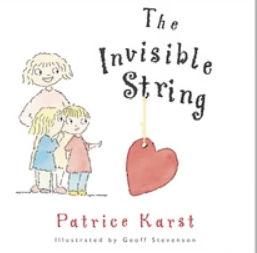
Mental Health and Wellbeing
At our school, we promote a mentally healthy environment through:
- Promoting our school values and vision and encouraging a sense of belonging
- Promoting pupil voice and opportunities to participate in decision-making
- Celebrating academic and non-academic achievements in order to promote self-esteem
- Providing opportunities to develop a sense of worth through taking responsibility for themselves and others
- Providing opportunities to reflect
- Access to appropriate support that meets their needs
- Helping children to understand their emotions and feelings better and to feel comfortable sharing any concerns or worries
- Helping children to develop emotional resilience and to manage setbacks
For our Mental Health & Wellbeing Policy, please click on the link below:
We Offer Different Levels of Support
Universal Support - To meet the needs of all our pupils through our overall ethos and our wider curriculum. For instance, developing resilience for all.
Additional support - For those who may have short-term needs and those who may have been made vulnerable by life experiences such as bereavement.
Targeted support - For pupils who need more differentiated support and resources or specific targeted interventions such as wellbeing groups or personal mentors.
Lead staff members to contact if you are concerned about your child’s mental health: Mrs Parnaby (SENDCO/ Senior Mental Health Lead/ Deputy DSL), Miss Twidale (Executive Headteacher/ Senior Mental Health Lead/ DSL) and Mrs McWilliam (Emotional Wellbeing Mentor/ ELSA – Emotional Literacy Support Assistant/ THRIVE practitioner).
What do we currently do for mental health and wellbeing for our pupils and staff?
- We have designated Mental Health and Well Being Leads in our federation that are responsible for promoting wellbeing for our staff and pupils (Miss Twidale and Mrs Parnaby).
- We have a designated trained ELSA (Emotional Literacy Support Assistant) , Mrs McWilliam, who delivers nurture groups for pupils, such as small group ‘time to talk’ social skills work, resilience skills, 'it’s good to be me' groups and 1:1 check in with pupils in liaison with our SENDCo (Special Needs & Disabilities Co-Ordinator)
- We have a Well-being Team made up of the following staff: Miss Twidale, Mrs Parnaby, Mrs Scowen and Mrs McWilliam
- In each class, we have worry boxes for pupils to share their worries with a safe adult.
- We have nominated school council members in each class to represent their peers and gain feedback to take back to meetings.
- We hold extra half-termly meetings for pupils who need more regular meetings to support their needs.
- We have parents’ SENDCO forum meetings for parents to attend and share their concerns and worries (part of SEND coffee mornings).
- We have teaching staff greeting their classes on the doors each morning to enable parents/ carers the opportunity to have regular, direct contact with staff.
- We have move up days, extra transition sessions and meet the teacher sessions for when a pupil is finding a class move difficult/ we also host parent/ carer 'meet the teacher sessions' where the parent/ carer meets the new teacher and current teacher together to support the passing over of information and the building of relationships.
- We have an allocated 'buddy system' for all new pupils.
- We have mental health and wellbeing trained staff in order to support pupils with their needs.
- We have positive behaviour systems in place to promote positive social behaviour.
- We have mental health and wellbeing assemblies to promote resilience and self-management.
- We have a PSHE 'JIGSAW' curriculum that helps pupils to build important life skills, such as learning to learn, habits of mind and the growth mindset.
- Our vision of 'Looking forward with hope. Flourishing. Doing all of the good we can' combined with our 'Ready, Respectful, Safe' approach to behaviour promotes the development of skills and character traits such as perseverance, compassion and teamwork.
- We have a Mental Health and Wellbeing Policy for our school which is regularly updated.
- We include World Mental Health Day and Mental Health Awareness Week in the school calendar and plan activities for the whole school.
- We are linked with 'With Me in Mind' who support us through delivering workshops, assemblies and training our pupils to be 'Mental Health Ambassadors'. With Me in Mind also off parent/ carer workshops and staff training.
- We offer a range of workshops throughout the year to all of our pupils, from a range of providers, to offer a broad and rich experience that enhances our PSHE curriculum: With Me in Mind, Mini First Aid (Healthy Minds)

Relaxation/ breathing exercises (videos)
Check out the following videos developed by our Healthy Minds Lincolnshire service talking you through different relaxation exercises.
 |
Colour Breathing |
| Helpful if you feel worried. | |
|
Square Breathing |
| Reduces feelings of stress and anxiety | |
|
Finger Breathing |
|
My Happy Place Exercise |
|
Progressive Muscle |
Interventions to support Mental Health and Wellbeing
The Mental Health Team coordinates interventions for pupils mental health and wellbeing such as:
- Talking Therapy
- Counselling
- Mentoring
- Self-esteem individual and group activities
- There's a Volcano in my Tummy anger therapy
- Bereavement Counselling
- Lego therapy
- Relaxed Kids Nurture Sessions
- Starving the Anxiety Gremlin nurture group
With Me In Mind
Our children have a Picture News focused session each week. This enables them to learn about current, topical issues and how these are connected to Britsh Values and the Protected Characteristics. This helps our children to gain a deeper understanding of British Values and how they link to their everyday lives. It helps the children to put British Values and Protected Characteristcs within context. Below you will find Picture News Newsletters linked to our learning over the Autumn Term and also a break down of how British Values and Protected Characteristics have been covered through these stories.
https://withmeinmind.co.uk/
Children and Young People: Low Mood, Anxiety, Self-esteem and Wellbeing, Sleep, Body Image: https://withmeinmind.co.uk/
Parents and Carers: Low Mood, Anxiety, Self-esteem and Wellbeing, Sleep, Body Image:https://withmeinmind.co.
Supporting Yourself and Young People
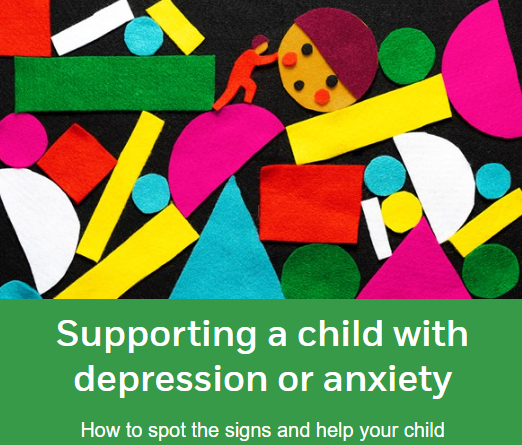
Useful links and Websites
Some useful resources that you could use at home to support your child’s mental health are below:
Advice for parents and carers: talking mental health with young people at primary school
This leaflet which was created alongside the Talking Mental Health Animation & Toolkit, features an introduction from our Patron, Her Royal Highness The Duchess of Cambridge who supported the You're never too young to talk mental health campaign stating the campaign's resources "demonstrate how we can help children express their feelings, respond appropriately, and prevent small problems from snowballing into bigger ones."
tmh-parent-leaflet-final-web-
Dealing with anxiety - https://tutorful.co.uk/
Young minds parents’ survival guide - https://youngminds.org.uk/
Anna Freud National Centre for Children and Families - https://www.annafreud.org/
https://www.familylives.org.
Resources that may help...

|
anxiety-thermometer | [pdf 186KB] |

|
|
|
tracking-my-feelings | [pdf 197KB] |
|
|
|
mindfulness-calendar-daily-5-minute-activities | [pdf 601KB] |
|


Useful Booklets/Publications:
Supporting pupils’ emotional wellbeing and mental health, so that they can be listened to, are happy together and ready to learn is vitally important to us. Therefore, if you have any questions or concerns, please do not hesitate to contact us.
|
Young Minds |
| Young Minds Publications offers information on a variety of mental health issues from school problems to mental illness in families. | |
|
Mentally Healthy Schools |
| Quality-assured information, advice and resources to help primary schools understand and promote children’s mental health and wellbeing. | |
|
Parent’s Guide to Childhood Anxiety |
| Parent’s Guide to Childhood Anxiety - Knowing the symptoms, how to talk to and support your child with anxiety | |
|
Health for Kids |
CAMHS
CAMHS stands for Child and Adolescent Mental Health Services. CAMHS is the name for the NHS services that assess and treat young people with emotional, behavioural or mental health difficulties.
For more information, visit the website below
https://www.youngminds.org.uk/
https://www.leicspart.nhs.uk/
CAMHS also have some excellent resources for parents:

Bereavement
Books to support Bereavement:
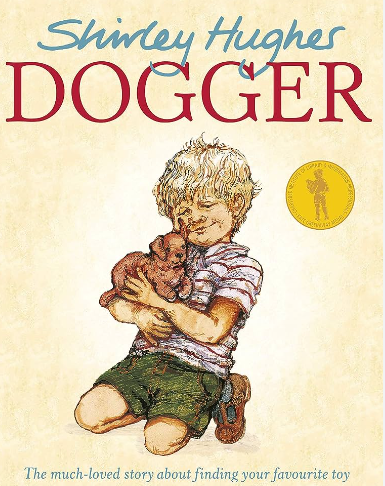
Gentle intro to discussion for very young children.
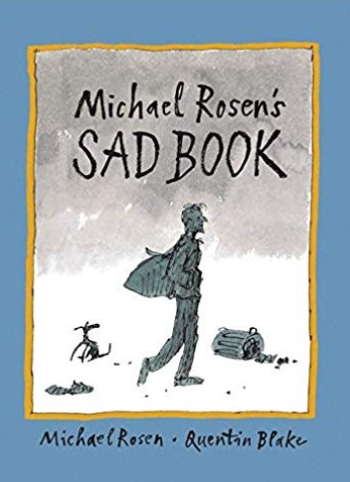

(particularly useful if an older person has died).
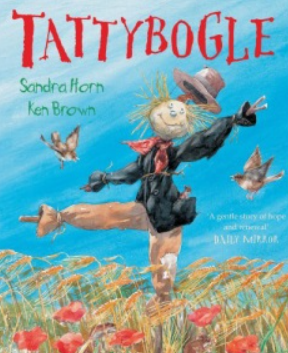
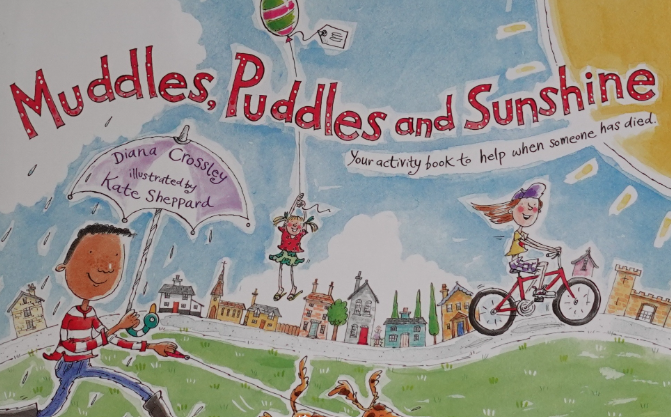
(an activity booklet)
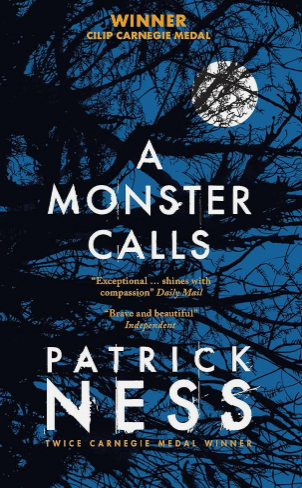
(a parent's death for older children)
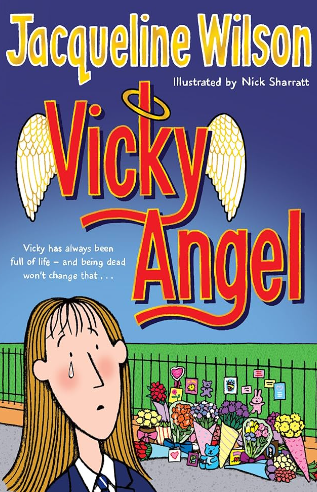
(a friend’s death, for older children)